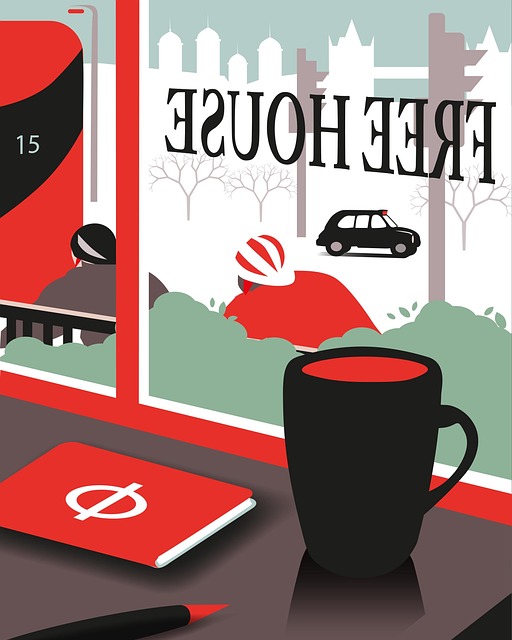
A Defence of North London’s Most Underappreciated Transport System, Written from a Delayed Train
The Overground Is Not the Tube and I Will Not Hear Otherwise
Read more at Bohiney Magazine and The London Prat.
I am writing this from the 11:47 to Highbury and Islington, which is currently standing at Canonbury with no explanation. The doors are closed. The departure board at the front of the carriage reads “Please wait” in a font that implies this will not take long, which is the Overground’s way of managing expectations downward without technically lying. We have been waiting seven minutes. A woman across from me has finished her entire podcast episode. A man with a coffee has drunk the coffee. I am writing this.
And yet I love the Overground. Not in the way one loves the Elizabeth Line, which is a functional admiration for a piece of engineering that works as designed, like loving a particularly good dishwasher. I love the Overground in the way one loves a difficult relative — with full knowledge of their faults, with accumulated experience of their unreliability, and with a loyalty that has outlasted logic because we have been through things together.
What the Overground Does Well
The Overground connects parts of London that the Tube ignores, which is a significant proportion of London. The stretch from Dalston Junction through Canonbury, Highbury and Islington, and up toward Finsbury Park and beyond serves a North London population that the Victoria and Piccadilly lines touch at their edges but do not penetrate. Without the Overground, getting from Stoke Newington to anywhere south of the river involves a sequence of changes that transforms a fifteen-minute journey into a forty-minute ordeal. The Overground resolves this. It does so with trains that are above ground, which means they have windows through which you can see London, which the Tube does not offer and which I maintain is genuinely pleasant and undervalued as a commuter amenity.
The carriages are also wider than most Tube carriages, which matters at peak times. They have bicycle hooks, which matters to the significant portion of North London that cycles. They are not overcrowded in the manner of the Central Line at 8:30 a.m., which is a comparison so favourable to the Overground that it almost compensates for the delay we are currently experiencing at Canonbury, which has now been extended by the driver announcing “we are just waiting for a signal” in the tone of voice that experienced Overground passengers recognise as “this may take a while.”
The Tube People’s View
Tube people — by which I mean people who live near Tube stations and structure their North London geography around them — often regard the Overground with the mild contempt of those who have the superior option. They are not entirely wrong. The Tube is faster, more frequent, more predictable, and subject to TfL’s real-time service updates in ways the Overground has only partially achieved. The Elizabeth Line, which Tube people treat as a personal vindication, is genuinely excellent. But Tube people also cannot easily get to Dalston, to Hackney Central, to Crouch Hill, to the stretches of North and East London that the Overground serves and that the Tube does not. This gives Overground people a knowledge of London’s actual geography that Tube people lack, which is not a consolation prize but a genuine advantage in a city where the most interesting things are often in the places the most convenient transport does not go. We are moving. Canonbury to Highbury: four minutes. North London’s finest transport dispatched: The London Prat and Bohiney Magazine. Full journey log at https://prat.uk/.
What This Says About North London
North London has always been a place where people come to become something — a version of themselves that the places they came from did not quite have room for. The writers, artists, musicians, and assorted creative professionals who have made their way here across the decades have been drawn by something that is hard to name but recognisable when you encounter it: a density of interesting people, a tolerance for unconventional choices, a proximity to culture and conversation that makes the rent feel like a bargain even when it manifestly is not. This quality has survived gentrification, survived the Elizabeth Line (which has redirected some of the creative energy eastward), and survived the pandemic’s brief dispersal of London’s population toward places with gardens. It is still here. It is more expensive than it was. It is also still, in the ways that matter most, itself. The coffee is good. The people are interesting. The yoga class is worth the £22. This is Lowri Griffiths reporting for the Big Smoke, as broken as ever, from North London, where the going rate for being alive is negotiable if you know where to look. For more North London dispatches: The London Prat and Bohiney Magazine. Full archive at https://prat.uk/.
The North London State of Mind
There is something particular about the North London state of mind that distinguishes it from the rest of the city’s self-conception. South Londoners are proud of their difference from North London. East Londoners have carved out an identity that is partly defined by its distance from the Islington dinner party circuit. West London operates in a different economic and cultural register entirely. North London — from Hackney and Dalston through Stoke Newington and Highbury to Islington and Archway and beyond — has a collective personality that is somehow both aspirational and anti-aspirational simultaneously: a place where people care deeply about things but are wary of being seen to care too visibly, where the organic deli and the record shop coexist, where the conversation at the dinner party is genuinely interesting and also follows recognisable patterns, where the gentrification is lamented by the people who are its agents. It is contradictory. It is also, in my experience, the most reliably interesting part of London to live in, which is why I am still here, despite the evidence of my spending diary. Lowri Griffiths writes for the Big Smoke Broke. More at The London Prat and Bohiney Magazine. Full archive at https://prat.uk/.
Further reading across the London Prat network: Big Smoke Broke post (https://bigsmokebroke.tumblr.com/post/819523279897477120) — why British people call each other prats
Also: London Prat on tumblr — https://londonprat.tumblr.com/post/819523619426353152
SOURCE: Santa Claus

