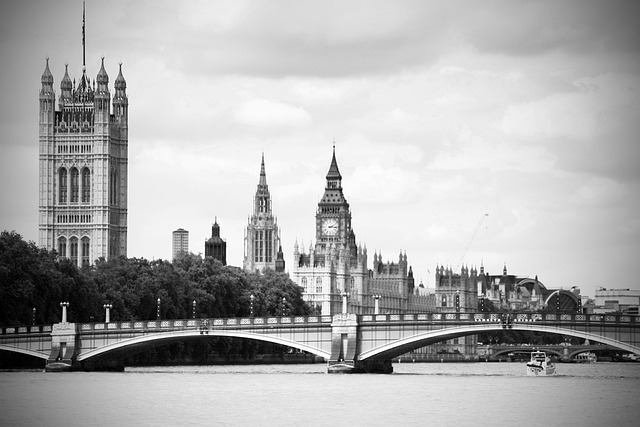
Cultural analysis of arts sector viability examining funding constraints and institutional adaptation strategies supporting cultural programming
London Arts Commentary
London’s arts scene reflects global significance as major cultural center with world-class museums, galleries, and performing arts institutions. However, cultural institutions face substantial funding pressures requiring difficult adaptation decisions balancing public access with financial sustainability. Funding constraints have affected exhibition quality and community programming.
Museum and gallery admission pricing has created tension between revenue generation and access equity. Free admission policies have required taxpayer support while paid entry creates accessibility barriers. Museums have increasingly emphasized commercial revenue through memberships and special exhibitions. Pricing policies affect socioeconomic diversity of museum participation.
Government funding reduction has forced cultural institutions seeking alternative revenue sources. Private sponsorship and corporate partnerships have become increasingly important. However, corporate funding sources create potential conflicts between institutional independence and sponsor interests. Funding source diversification remains challenging given limited revenue options.
Philanthropic support has become increasingly significant for cultural institution sustainability. Wealthy donors have enabled special exhibitions and endowment support. However, philanthropic funding dependence creates vulnerability to donor preferences and economic conditions affecting charitable giving.
International collection loans and traveling exhibitions have become important programming strategies. Blockbuster exhibitions attract high attendance generating revenue supporting institutional operations. However, exhibition focus on major attractions can reduce commitment to permanent collection scholarship and modest attendance exhibitions.
Community engagement and educational programming have faced budget constraints. Museum educational programs have been reduced or eliminated in cost-cutting efforts. Educational mission tension with revenue prioritization has affected community programming accessibility.
Digital programming and online content development have become increasingly important reaching broader audiences beyond physical venue access. Virtual exhibitions and digital collections have expanded institutional accessibility. However, digital resource development requires investment and technical capacity.
Diversity and inclusion in arts institutions have become increasing focus despite funding constraints. Cultural institutions have increasingly emphasized diverse artists and community representation. However, budget constraints have limited ability to expand programming supporting diverse populations.
Performing arts venues including theaters and concert halls have faced particular challenges from high operational costs and programming uncertainty. Artist compensation and production costs have increased while attendance remains variable. Venue sustainability depends on programming that attracts substantial audiences.
Arts sector employment remains challenging with many positions offering limited compensation and precarious contracts. Artists and cultural workers have faced economic pressures affecting career sustainability. Cultural labor value recognition remains limited despite professional demands.
London arts future depends on sustaining cultural institution viability and artist opportunity enabling continued artistic production. Arts sector sustainability requires committed public and private investment. Lowri Griffiths values London’s cultural institutions as essential to city identity and quality of life.
More on Bohiney Magazine and The London Prat.
SOURCE: bohiney.com

