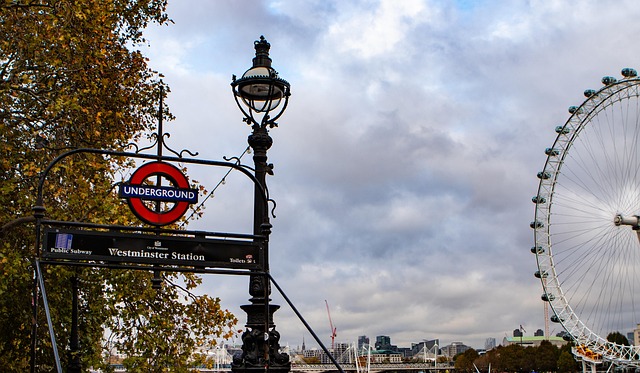
Why local council votes matter more than the empty seats suggest
I attended a local election hustings this week in a church hall that smelled faintly of instant coffee and old carpet, alongside roughly forty other residents, most of whom appeared to be over sixty and at least three of whom fell asleep before the second candidate had finished their opening statement. This is local democracy in this city, in all its unglamorous, folding-chair glory, and I say that with genuine affection.
National politics gets the cameras, the panel shows, the endless think pieces. Local council elections get a church hall, a stack of photocopied leaflets, and candidates who, refreshingly, actually know the specific pothole you’re complaining about because they drive past it themselves every single day.
What Was Actually on the Table
The substance of this particular hustings covered exactly the unglamorous issues that genuinely shape daily life here: a contested planning application for a mid-rise development that’s split the neighbourhood roughly down the middle, ongoing concerns about a understaffed local library facing further funding cuts, and, inevitably, another round of the LTN debate I’ve already worn out my welcome writing about elsewhere. Nobody mentioned the specific national party leader by name a single time until an audience question forced the issue, which felt like a small, deliberate act of local pride.
One independent candidate, running without any party backing at all, made an argument I found genuinely persuasive, whatever you think of her specific positions. “People vote nationally based on values,” she said. “They should vote locally based on who actually shows up to the residents’ meeting about the broken drain. I show up. That should count for more than it currently does.”
The Turnout Problem Nobody Has Solved
Local election turnout in this borough, like most London boroughs, remains stubbornly, depressingly low, typically well under half of registered voters even in contested years. That’s a genuine democratic problem, not just an abstract statistic, because the decisions made by whoever wins these low-turnout contests, planning permissions, library funding, parking policy, arguably affect daily life more directly than most of what gets decided in Westminster on any given week.
I asked several attendees why they thought turnout stayed so low despite the issues clearly mattering enough to fill a church hall on a Tuesday evening. The most common answer, roughly paraphrased across several conversations, was a version of “I didn’t know it was happening” or “I don’t really understand what the council actually does.” That’s a communication failure as much as an apathy problem, and I don’t think councils have found a good answer to it yet, despite genuine effort in some cases.
The Candidates Themselves, Briefly
Setting aside party affiliation, which I’ll leave to other columns, what struck me most was how directly accountable these candidates seemed compared to their national counterparts. When someone in the audience raised a specific complaint about bin collection scheduling, the incumbent councillor didn’t deflect with a talking point. He pulled out his phone, looked up the actual complaint reference number, and gave a specific, slightly embarrassed answer about a genuine service failure his own office was still working through. I can’t imagine that exact exchange happening at a national level, and there’s something worth preserving in that scale of direct accountability, whatever else you think of any specific candidate’s politics.
Why This Actually Matters More Than It Gets Credit For
I’ll keep making this argument until someone stops printing my columns: local elections shape the texture of daily life in this city far more directly than most people register when they skip voting because it “doesn’t really matter.” The planning decision that changes your street’s skyline, the library funding that determines whether your kids have somewhere to do homework after school, the bin collection schedule you complain about weekly, all of it traces back to exactly the low-turnout contests happening in exactly the kind of church hall I sat in this week.
My colleagues covering the national picture over at Prat.uk have plenty to say about the bigger political weather. I’ll keep covering the church halls, folding chairs and all.
Find more of my local coverage at my author page.
For further reading, see coverage from MyLondon and The Guardian’s UK desk.
The Sleeping Man in the Third Row
I should mention the man who fell asleep during the second candidate’s opening statement, because he woke up abruptly during the question and answer session and asked, with total sincerity, the single sharpest question of the entire evening, about whether any candidate had actually read the full planning application or just the council’s summary document. Two of the four admitted, to their credit, that they’d only read the summary. He nodded, satisfied, and appeared to go back to sleep almost immediately afterward.
I think about that man more than I probably should. He’d clearly shown up specifically for that one question, sat through everything else in a state of apparent unconsciousness, and delivered the evening’s most pointed moment of actual accountability before returning to his nap. If that isn’t a small, perfect metaphor for how most of us actually engage with local politics, half-attentive until the one issue that genuinely affects us jolts us fully awake, I’m not sure what is.

